The Science Behind Carbon Dioxide Fractional Laser: Discover Its Function in Advanced Skincare
The carbon dioxide fractional laser is an amazing development in skincare technology. It employs concentrated light energy to generate controlled micro-injuries in the skin, stimulating collagen manufacturing. This technique boosts skin structure and tone while lessening damages to adjacent tissues. As more people seek effective options for common skin problems, understanding the ins and outs of this treatment ends up being vital. What exists below the surface area of this cutting-edge method?
Recognizing CO2 Fractional Laser Technology
Carbon dioxide fractional laser modern technology represents a significant innovation in skin care treatments - co2 laser resurfacing near me. This cutting-edge approach utilizes co2 lasers to exactly target layers of skin, developing microscopic injuries that stimulate the body's all-natural recovery procedure. By providing power in a fractional fashion, the innovation makes it possible for selective treatment of details areas while decreasing damage to surrounding cells. This leads to quicker recuperation times and minimized side effects compared to conventional laser therapies
The convenience of CO2 fractional lasers allows them to address a variety of skin concerns, including creases, marks, and unequal skin appearance. People frequently report enhanced skin tone and suppleness following therapy, making it a prominent option for those seeking renewal. As the need for effective skin care solutions remains to grow, CO2 fractional laser modern technology stands apart as a powerful tool, merging advanced science with visual improvement for much healthier, a lot more younger skin.
The System of Action: How Carbon Dioxide Lasers Work
Carbon dioxide lasers utilize focused light power to target and vaporize certain layers of skin, advertising skin resurfacing. This process boosts collagen manufacturing, leading to boosted skin appearance and look. Following therapy, the recovery and recuperation stage is essential for ideal outcomes, as it allows the skin to restore and recover its natural obstacle.
Laser Innovation Basics
Laser modern technology, especially in the context of skincare, runs on the principle of targeted power shipment to the skin. CO2 lasers discharge a certain wavelength of light that is taken in by water particles in the skin. This absorption produces warmth, which leads to the evaporation of the outermost skin layer, promoting collagen production in the hidden tissues. The laser's fractional strategy allows it to deal with small, exact locations while leaving surrounding skin undamaged, promoting faster healing and reducing downtime. This system not only enhances skin structure however likewise addresses various skin worries, including creases, marks, and pigmentation problems. Understanding this essential technology is crucial for understanding the more comprehensive applications of carbon dioxide fractional lasers in sophisticated skin care treatments.
Skin Resurfacing Refine
The skin resurfacing procedure using fractional laser innovation entails a careful mechanism that targets certain skin layers to achieve restoration. CO2 lasers emit concentrated light beams of light that permeate the skin and dermis, creating controlled micro-injuries. These targeted areas stimulate the body's natural recovery response, advertising collagen and elastin production. The fractional nature of the laser permits careful therapy, leaving bordering cells intact, which speeds up healing and decreases downtime. The thermal impact of the laser additionally leads to immediate tightening of the skin, improving total appearance and tone. This twin activity not only reduces the appearance of wrinkles, scars, and other imperfections however additionally cultivates an extra glowing skin tone, making carbon dioxide fractional laser an innovative alternative in skin care modern technology.
Healing and Recuperation Stage
The skin resurfacing process launches prompt adjustments, the recovery and recovery phase is vital for achieving perfect results. Throughout this stage, the body's natural repair systems turn on, advertising collagen manufacturing and skin regeneration. The CO2 fractional laser develops micro-injuries in the skin, which stimulates the recovery reaction without damaging surrounding tissues. As the skin heals, patients might experience swelling, inflammation, and peeling, which are typical and suggest the procedure is underway. Proper post-treatment treatment, including moisturizing and sunlight security, is vital to enhance healing and decrease issues. In time, the skin becomes smoother, stronger, and extra younger in appearance, showcasing the efficiency of carbon dioxide laser therapy in sophisticated skincare.
Advantages of CO2 Fractional Laser Treatments
As individuals look for efficient options for skin restoration, CO2 fractional laser therapies have become a popular option due to their many benefits. These therapies are primarily identified for their ability to considerably enhance skin texture and tone. By targeting both surface and deeper layers of skin, carbon dioxide fractional lasers boost collagen production, which can lead to a much more vibrant appearance.
They are effective in minimizing the visibility of fine lines, wrinkles, and marks, including those from acne. The accuracy of fractional modern technology allows for careful therapy of issue areas while lessening damages to surrounding tissue, resulting in quicker healing times contrasted to traditional laser methods. On top of that, people typically report durable outcomes, making it an affordable alternative for those aiming to boost their skin's overall health and wellness. As a whole, CO2 fractional laser treatments provide an extensive method to achieving invigorated and much healthier skin.
Suitable Candidates for CO2 Fractional Laser
Determining excellent prospects for CO2 fractional laser treatments includes considering different aspects, consisting of skin type and particular age-related skin problems. People with particular skin types may respond better to the treatment, while those experiencing concerns such as wrinkles, scars, or sunlight damages are often prime prospects - co2 laser near me. Comprehending these aspects can help in identifying one of the most ideal individuals for this sophisticated skincare procedure
Skin Kind Factors To Consider
When thinking about candidates for carbon dioxide fractional laser therapy, skin type plays an important function in determining both efficacy and safety and security. This treatment is most effective for people with light to tool skin tones, as they commonly view website experience less problems and far better recovery outcomes. Darker skin kinds may deal with an enhanced risk of hyperpigmentation or scarring as a result of the laser's intensity. In addition, oily skin can take advantage of the treatment's capacity to decrease Website acne scars and enhance texture, while dry skin might require pre-treatment hydration for perfect outcomes. Eventually, an extensive consultation with a certified professional is important to analyze skin type and tailor the therapy strategy accordingly, guaranteeing the very best possible results for every person.
Age and Skin Worries
Understanding the effect of age on skin wellness is crucial in figuring out ideal candidates for carbon dioxide fractional laser therapy - co2 laser resurfacing near me. As people age, skin loses collagen and elasticity, causing concerns such as great lines, wrinkles, and uneven structure. Those in their late 30s to very early 60s often experience the most considerable indications of aging, making them prime prospects for this therapy. Furthermore, sunlight damage and age-related pigmentation can even more add to skin worries, motivating people to seek reliable solutions. CO2 fractional laser is especially valuable for this group, as it targets deeper skin layers, promoting collagen regeneration and enhancing overall skin appearance. As a result, age-related elements play an essential role in assessing suitability for CO2 fractional laser therapy

What to Anticipate During a CO2 Fractional Laser Session
What can one expect during a CO2 fractional laser session? The experience normally begins with an assessment, allowing the practitioner to analyze the skin and go over goals. Before the procedure, a topical anesthetic is frequently related to lessen discomfort. As soon as the skin is prepared, the laser gadget is activated. The practitioner carefully moves the laser handpiece throughout the treatment area, supplying targeted energy to the skin. This procedure creates tiny injuries while leaving surrounding cells intact, promoting recovery and collagen manufacturing.
Aftercare and Healing: Optimizing Outcomes
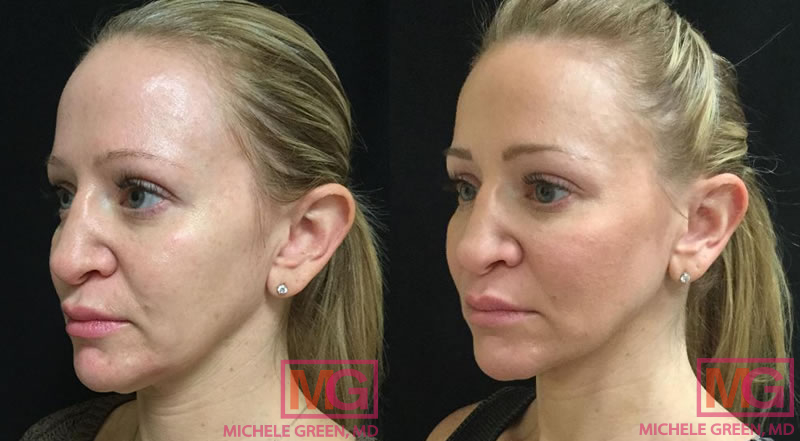
To guarantee ideal results after a carbon dioxide fractional laser treatment, correct aftercare is essential. People must follow their skin specialist's standards carefully, which generally consist of maintaining the cured area tidy and moisturized. Making use of a mild cleanser and applying an ideal recovery lotion can significantly aid in recovery.
When going outdoors, it is important to stay clear of sun direct exposure during the healing procedure; patients must apply broad-spectrum sunscreen with a high SPF. Furthermore, avoiding choosing at scabs or peeling skin helps stop scarring and guarantees perfect results. Hydration also plays a substantial function, as alcohol more information consumption plenty of water supports the skin's healing devices.
Restricting exercise and preventing too much sweating for a few days can even more boost healing. Ultimately, individuals should arrange follow-up visits to check progression and address any type of concerns, making certain that they attain the ideal possible results from their therapy.
Comparing CO2 Fractional Laser With Other Skincare Treatments
While various skincare therapies exist, carbon dioxide fractional laser treatment sticks out for its effectiveness in attending to skin issues such as wrinkles, scars, and uneven structure. Unlike chemical peels off or microdermabrasion, which mostly target surface layers, carbon dioxide fractional lasers pass through much deeper right into the skin, advertising considerable collagen manufacturing. This deepness of treatment enables a much more comprehensive renewal process, commonly generating longer-lasting outcomes.
In comparison to traditional laser therapies, carbon dioxide fractional lasers decrease damages to surrounding tissues, assisting in quicker healing times. While other treatments may call for several sessions to accomplish desired outcomes, carbon dioxide fractional lasers usually supply recognizable enhancements after simply 1 or 2 treatments.
In addition, options like fillers and Botox address certain problems but do not boost skin structure or tone. Therefore, CO2 fractional laser treatment uses a distinct mix of deep renewal and minimal downtime, making it a preferred choice for those looking for effective skin care solutions.

Regularly Asked Questions
How Long Do Carbon Dioxide Fractional Laser Results Typically Last?
Arise from CO2 fractional laser therapies usually last in between one to 5 years, depending upon private skin kinds, age, and lifestyle factors. Normal maintenance treatments can improve long life and optimize skin appearance gradually.
Exist Any Age Restrictions for CO2 Fractional Laser Treatments?
There are typically no stringent age constraints for carbon dioxide fractional laser therapies; nevertheless, experts commonly advise evaluating skin disease and worries as opposed to entirely thinking about age to identify viability for the procedure.
Can CO2 Fractional Lasers Reward Energetic Acne or Acne Marks?
Carbon dioxide fractional lasers can effectively deal with acne marks by advertising collagen manufacturing and skin revival. Nonetheless, they are not recommended for active acne, as the procedure may exacerbate inflammation and trigger more skin irritability.
What Is the Price Variety for CO2 Fractional Laser Treatments?
The cost range for carbon dioxide fractional laser therapies typically varies between $1,000 and $3,000 per session. Factors affecting the cost include the treatment area, copyright expertise, and geographical area. Numerous sessions might be required for perfect outcomes.
Exist Any Alternative Therapies to CO2 Fractional Lasers?
Yes, options to carbon dioxide fractional lasers include chemical peels, microdermabrasion, radiofrequency treatments, and non-fractional laser therapies. Each method supplies special benefits, allowing people to select based upon their specific skin problems and preferred results.